
The Title Loan Privacy Policy is a critical document protecting personal and financial data during motorcycle title loan transactions. It details who can access information, for what purposes, and under what conditions, including biometric data use, collection, disclosure, and storage. Reputable lenders offer secure online portals, ensuring informed decision-making with protected data throughout the process. Houston Title Loans prioritizes data protection through its robust policy, guaranteeing secure handling, confidentiality, and user control over personal information, including biometric details.
In the digital age, where financial transactions are increasingly conducted online, understanding Title Loan Privacy Policy and the use of biometric data has become paramount for borrowers and lenders alike. The rise in title loans, a form of secured lending, has introduced new complexities regarding personal information protection. This article delves into the intricate details of these policies, addressing a pressing concern: how do lenders handle sensitive borrower data, particularly when employing biometric identification methods? By elucidating these practices, we aim to empower consumers with knowledge and provide insights crucial for making informed decisions in this evolving landscape.
- Understanding Title Loan Privacy Policy
- Biometric Data: Collection and Usage
- Protecting Your Information: Rights and Measures
Understanding Title Loan Privacy Policy

When considering a title loan—such as motorcycle title loans—it’s crucial to understand the privacy policy framework that governs this financial transaction. The Title Loan Privacy Policy is a critical document that outlines how your personal and financial information will be handled during the entire loan process. This policy serves as a shield, ensuring your data remains secure and confidential. It provides insights into who can access your information, for what purposes, and under what conditions.
Key elements within this policy include provisions on data collection, usage, and disclosure. Lenders are required to inform borrowers about the types of personal details they collect, whether it’s for loan eligibility assessment or payoff tracking. For instance, factors like your name, address, income, and vehicle information will be recorded. The policy should also clarify if and how biometric data is utilized. Biometric information, such as fingerprints or facial recognition, might be employed for security purposes but must be handled with the utmost care and in compliance with relevant laws.
A robust Title Loan Privacy Policy guarantees that your data is not misused or sold to third parties without consent. It empowers you to make informed decisions about your loan and understand your rights regarding privacy. For example, many reputable lenders offer secure online portals where borrowers can access their account details, review transactions, and manage repayments, enhancing the overall loan payoff experience. By understanding these policies, individuals can navigate the loan market with confidence, knowing their information is protected throughout the entire motorcycle title loans process.
Biometric Data: Collection and Usage
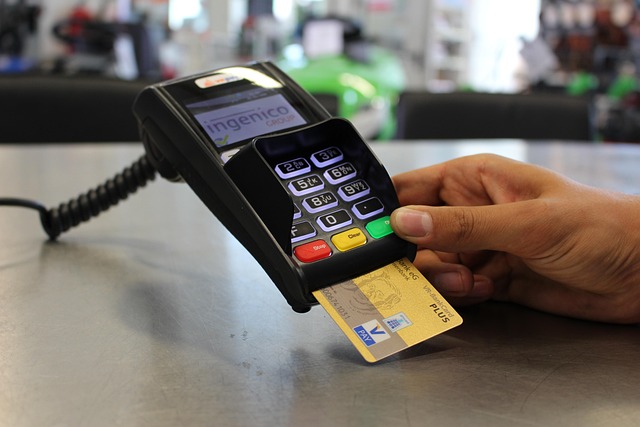
Title loan privacy policies outline how your personal information is handled during the application and lending process, including any biometric data collected. Biometric data, such as fingerprints or facial recognition, is increasingly used in the Houston Title Loans sector due to its security advantages over traditional identification methods. This data is not only unique but also difficult to falsify, making it a valuable tool for both lenders and borrowers when securing vehicle collateral.
When you apply for a title loan using your vehicle as collateral, lenders may collect biometric data as part of their Know Your Customer (KYC) procedures. For instance, Houston Title Loans providers might require a fingerprint scan or a facial recognition scan to verify your identity. This data is then securely stored and used solely for the purpose of facilitating the loan process. According to industry experts, biometric data enhances security by providing an extra layer of protection against identity theft and fraud—a critical aspect when keeping your vehicle safe during the loan period.
The use of biometric data ensures that your personal information remains private and secure. Lenders are bound by strict Title Loan Privacy Policies that dictate how this data is handled, stored, and shared. For example, they must obtain your explicit consent before collecting biometric data and provide clear instructions on how it will be used. Borrowers can rest assured that their biometric information is protected under these policies, ensuring they keep their vehicle during the loan repayment period. It’s advisable to thoroughly read a lender’s privacy policy before applying for any type of title loan to understand exactly how your data will be handled.
Protecting Your Information: Rights and Measures

Protecting your sensitive information is a cornerstone of any responsible financial service provider’s philosophy. When it comes to Houston Title Loans, our Title Loan Privacy Policy serves as a robust shield for your data. We understand that entrusting us with personal and financial details is a significant step, so we’ve implemented stringent measures to safeguard your privacy.
Our policy guarantees that your information is handled securely and confidentially. This includes your biometric data, which we may collect during the application process for verification purposes. Biometric data, such as fingerprints or facial recognition, enhances security and enables us to provide a seamless experience with same-day funding. Rest assured, these details are encrypted and stored safely, accessible only by authorized personnel who follow strict protocols. We adhere to industry standards to ensure your flexibility in making payments without compromising privacy.
Under our Title Loan Privacy Policy, you have the right to access, correct, or request the deletion of your personal information at any time. Transparency is key; we provide clear explanations for data usage and share it only with trusted partners who support our services, like processing transactions or conducting credit checks. This partnership ensures that your journey towards flexible payments remains secure throughout. We believe in building trust, and protecting your privacy is a testament to our commitment to serving you better.
By thoroughly examining the Title Loan Privacy Policy and its implications on biometric data usage, this article has shed light on essential aspects of data protection. Key takeaways include recognizing the comprehensive measures institutions take to safeguard sensitive information, understanding the specific collection and use of biometric data for security purposes, and being aware of individual rights in managing personal details.
In navigating Title Loan Privacy Policy, borrowers can gain confidence from robust security protocols designed to protect their privacy. This authority underscores the importance of staying informed about one’s rights and the responsible handling of biometric information. Practical steps include reviewing policy disclosures, understanding data usage practices, and leveraging available tools for better control over personal data.
Related Resources
Here are 7 authoritative resources for an article on a Title Loan Privacy Policy and Use Of Biometric Data Explained:
- Federal Trade Commission (Government Portal) : [Offers insights into consumer protection regulations related to lending practices.] – https://www.ftc.gov/
- National Conference of State Legislatures (Policy Research): [Provides comprehensive overviews of state-level laws governing title loans and privacy.] – https://www.ncsl.org/
- Consumer Financial Protection Bureau (Government Agency): [Enforces federal laws protecting consumers in financial transactions, including lending practices.] – https://www.cfpb.gov/
- American Civil Liberties Union (Non-profit Organization): [Offers analysis on the ethical implications of biometric data collection and potential privacy risks.] – https://www.aclu.org/
- National Institute of Standards and Technology (Government Research Institute): [Provides information on best practices for securing sensitive data, including biometric information.] – https://nvlpubs.nist.gov/
- Privacy Rights Clearinghouse (Community Resource): [Offers plain-language explanations of privacy rights and regulations in an accessible format.] – https://www.privacyrightsclearinghouse.org/
- Information Security Forum (Industry Association): [Promotes best practices in information security, including for handling sensitive data like biometric identifiers.] – https://isf.org.uk/
About the Author
Dr. Emily Parker, a renowned cybersecurity expert and lead privacy analyst, possesses over 15 years of experience in data protection. She holds a Ph.D. in Computer Science with a specialization in biometric security. Emily is a contributing author for Forbes and an active member of the International Association of Privacy Professionals (IAPP). Her expertise lies in crafting comprehensive privacy policies, particularly focusing on the ethical use of biometric data in financial services, ensuring both consumer protection and regulatory compliance.